
Portable power stations are becoming a popular home energy solution, offering clean, quiet backup power without the complexity of permanent installations. Whether you want to stay prepared for outages, support a home office, or reduce reliance on the grid, choosing the right model is essential. With many options available, the decision can feel overwhelming. By focusing on a few key performance factors and understanding how they affect everyday use, you can confidently select a portable power station that fits your home’s needs.
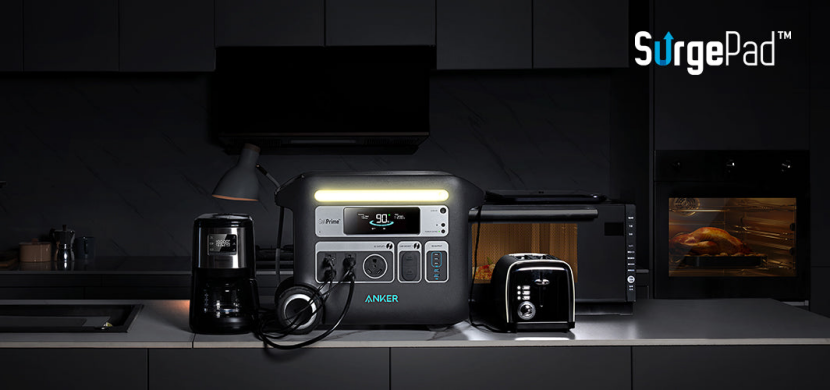
Key Factors to Consider When Choosing a Portable Power Station
A good portable power station should balance capacity, output, safety, and usability. The following points will help guide your decision.
Determine Your Home’s Power Needs
Start by identifying what you want to power during an outage. Common household essentials include lights, a refrigerator, Wi-Fi routers, laptops, and medical devices. Each appliance has a wattage requirement, and the total determines how much power your station must deliver. Understanding both voltage and amps units for your devices ensures compatibility and helps prevent overloading the system.
Choose the Right Battery Capacity
Battery capacity, measured in watt-hours (Wh) or kilowatt-hours (kWh), determines how long your devices can run. Smaller homes or apartments may only need a few hundred watt-hours for short outages, while larger households benefit from higher capacity units. Expandable systems are a smart option, allowing you to start small and increase capacity later. Some Anker SOLIX portable power stations offer expansion options, making them flexible as energy needs grow.
Check Continuous Output and Surge Power
Capacity alone isn’t enough, and output power matters just as much. Continuous output determines what devices can run at the same time, while surge power supports appliances with startup spikes, such as refrigerators. Make sure the station can handle both normal operation and brief surges without shutting down.
Evaluate Battery Chemistry and Lifespan
Battery type directly impacts longevity and safety. Lithium iron phosphate (LFP) batteries are widely preferred for home use because they offer long cycle life, thermal stability, and consistent performance over time. Many Anker SOLIX models use LFP technology, designed to last for years with minimal degradation.
Look for Flexible Charging Options
A good portable power station should support multiple charging methods, including AC wall charging, vehicle charging, and solar input. Solar compatibility is especially valuable, allowing you to recharge using sunlight during extended outages. Faster charging means less downtime and better preparedness.
Consider Port Variety and Layout
Look for a station with enough output ports to support your household devices. AC outlets, USB-A, USB-C, and DC ports provide flexibility. USB-C ports are especially useful for efficiently charging modern electronics without bulky adapters.
Use Smart Monitoring and Controls
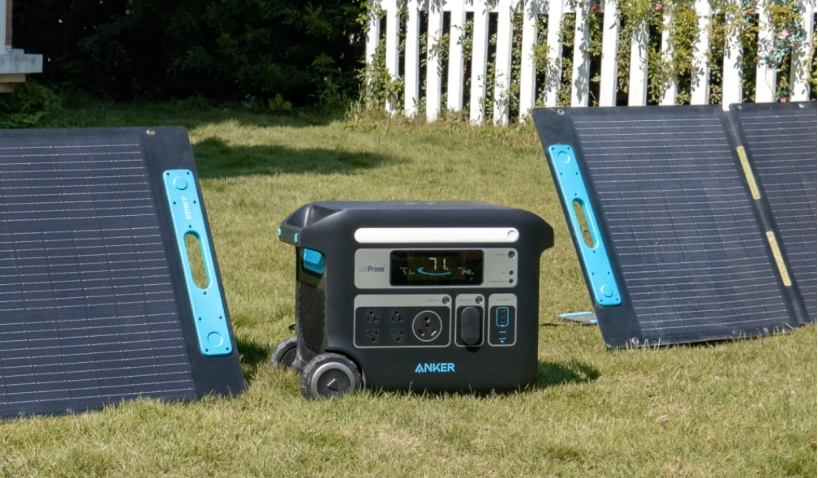
Modern portable power stations often include displays or mobile apps that show real-time performance data. Monitoring output, battery levels, and amps units helps you manage loads efficiently and avoid unexpected shutdowns. Smart controls make the system easier to use, especially during emergencies.
Assess Size, Weight, and Portability
Even for home use, portability matters. A well-designed handle and compact footprint make it easier to move the station between rooms or store it when not in use. Balance capacity with weight to avoid choosing a unit that’s difficult to handle.
Check Warranty and Brand Reliability
A portable power station is a long-term investment. Look for reputable brands that offer strong warranties and customer support. Reliable after-sales service provides peace of mind and protects your purchase over time.
Conclusion
Choosing a good portable power station for your home comes down to matching the system to your real energy needs. By evaluating capacity, output power, battery chemistry, charging options, and smart features, you can avoid common mistakes. Well-designed options like Anker SOLIX portable power stations combine reliability, safety, and flexibility for everyday home backup. With the right choice, you gain dependable power, greater resilience, and confidence when the grid goes down.