
Portable power stations provide a flexible option to stay connected without relying on permanent outlets or fuel-powered generators. These battery-powered machines provide sustainable energy for tiny appliances, electronics, and equipment, whether at home, on the road, or during power outages. While handy and user-friendly, they have limits that impact real-world performance. To safely rely on someone, you must first grasp what they excel at, where their limitations lie, and how to maximize everyday use. This tutorial explains everything you need to know before incorporating a portable power station into your daily or backup power strategy.
What Do Portable Power Stations Do Well in Everyday Use?
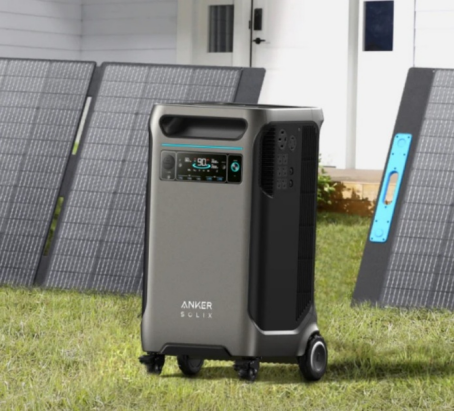
Portable power stations are ideal for powering tiny electronics and vital devices in everyday life. They reliably charge phones, computers, tablets, routers, lights, fans, and even mini-fridges, making them perfect for remote work, camping, or brief power outages. Many versions have AC, USB, and DC connectors, allowing you to connect many devices simultaneously. Their clean, silent functioning makes them suited for interior usage, free of the pollutants and noise associated with gas generators. Solar-compatible stations expand their utility outdoors by allowing you to recharge off-grid. They are portable, easy to use, and do not require any installation. Portable stations provide consistent power access for light-to-moderate loads without requiring extensive setup or continuous maintenance.
What Factors Should You Understand Before Depending on One?
Capacity, Output, and Runtime Expectations
Every portable power station has limits based on its battery capacity (measured in watt-hours) and power output (measured in watts). Higher-capacity versions can run devices for longer periods of time, but actual runtime is determined by overall load. Power-hungry gadgets such as microwaves, space heaters, and coffee makers may quickly deplete even larger units. Exceeding the output rating may cause the system to trip or shut down. Battery efficiency, inverter loss, and device power are all factors that influence outcomes. To avoid disappointment, divide the battery capacity by the overall power of your gadget to determine the runtime. Understanding these fundamental foundations allows you to select a unit that matches your routine while avoiding overloading the system.
Charging Methods and Energy Replenishment
Portable power stations can be recharged via wall outlets, solar panels, or automobile ports, but each method has different speeds and conveniences. Wall charging is the fastest, often requiring 4-8 hours for mid-sized devices. Car charging is slower but ideal for topping off on the go. Solar charging is dependent on solar conditions, panel size, and controller performance, making it suitable for off-grid applications but sluggish in gloomy weather. Some stations feature pass-through charging, which allows you to use your devices while charging. Always verify the input rating to confirm that the chargers you're using are compatible. Knowing your recharge choices guarantees that your power station is ready when you need it.
Indoor, Outdoor, and Environmental Considerations
Portable power stations function well indoors; however, their effectiveness is influenced by environmental factors. Hot temperatures can induce thermal shutdowns, whilst cold temperatures impair battery efficiency and charging. To minimize damage or overheating, use the device outside away from rain, snow, and direct sunlight. Choose shaded and well-ventilated workstations. When the station is not in use, avoid leaving it in covered automobiles or open locations. Pack waterproof coverings and insulated bags for trips. Understanding how your station responds to changing environments allows you to maintain performance and longevity both inside and outside.
How Can You Use Portable Power Stations More Effectively?
Planning Power Use Around Daily Routines
Optimize the value of your power station by aligning its usage with your energy consumption. Begin by ascertaining the devices that you utilize the most and at what times. For example, you may charge your phones overnight, operate fans in the afternoon, and power routers at work. Spread the use of the device throughout the day to prevent accelerated battery depletion. First, insert low-wattage devices, and then, after the battery has been charged, insert high-draw devices. It is recommended that solar charging be conducted during off-peak or sunny hours. By aligning your energy requirements with the capabilities and schedule of your station, you will experience more consistent power and reduce outages on a daily basis.
Prioritizing Devices and Managing Loads
Prioritizing devices based on their power requirements increases your station's runtime. Before moving on to speakers and coffee machines, prioritize phones, laptops, and medical equipment. To avoid inverter overload or battery drain, do not plug in several high-watt appliances at the same time. Use energy-efficient equipment wherever possible. To save power, disconnect fully charged items. If your station allows for real-time monitoring, you may track usage and make changes on the display. Smart load management optimizes power consumption, protects your system, and extends vital device life.
Building Good Habits for Long-Term Use
Simple everyday actions can help your portable power station run more efficiently. Charge the gadget even while not in use and keep the battery at 10-20%. Keep it cool, dry, and away from the sun and freezer. To avoid dust buildup, clean the input and output ports on a regular basis. Using suitable chargers and cords will help to prevent battery and port damage. Keep solar panels clean and aligned for optimal efficiency. Consult the station's user manual for maintenance and safety instructions. With proper care and use, your station will remain functional and operate well for years.
Conclusion
Planning and attentiveness are required while using portable power stations for everyday energy. They perform best with appropriate devices, charging methods, and environments. Users may reduce surprises and improve reliability by understanding capacity, output limitations, and recharging options. Maintaining good habits, prioritizing critical devices, and reducing energy loads increase runtime and protect the system. When used properly, these gadgets work effectively at home, on vacation, and during crises. A little preparation ensures that your station operates consistently and provides peace of mind that you will have access to power when needed.